
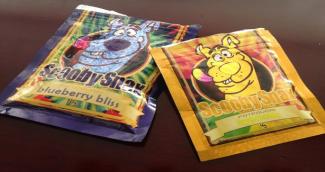
What are Synthetic Drugs?
Synthetic drugs, specifically synthetic cannabinoids, are a mixture of herbs, incense and/or spices that are sprayed with synthetic (human-made) mind-altering chemicals. These drugs can produce hallucinogenic effects. Even though some people call synthetic cannabinoids “fake weed,” these drugs are not a form of marijuana and their effects are far more risky.
The active ingredients in these drugs are synthetic chemicals that are very dangerous—to the brain and other parts of the body. Because synthetic drugs are not regulated, they are not tested for safety so users don’t know what they are putting into their bodies.
Similarly, synthetic cathinones, more commonly known as "bath salts," are synthetic drugs made to mimic the chemical found in the khat plant. Khat is a shrub grown in East Africa and southern Arabia. People sometimes chew its leaves for their mild stimulant effect. Synthetic variants of cathinone can be much stronger than the natural product and are very dangerous.
Synthetic cathinones and synthetic cannabinoids are included in a group of concerning drugs called "new psychoactive substances" (NPS). NPS are unregulated psychoactive (mind-altering) substances that have become newly available on the market and are intended to copy the effects of illegal drugs. Some of these substances have been around for years, but have re-entered the market in altered chemical forms with renewed popularity.
What are the Legal Consequences?
Synthetic cannabinoids and synthetic cathinones are illegal in the District of Columbia. A person can be arrested and prosecuted for manufacturing, distributing, or possessing synthetic cannabinoids or synthetic cathinones. Pretrial Services, the Court Services and Offender Supervision Agency, and other community supervision agencies in the District of Columbia now test for synthetic cannabinoids or synthetic cathinones. Positive testing may impact a person’s job, parole, probation, or government benefits.
How is the Office of the Attorney General Combatting Synthetic Drugs?
- Legal Action: The Attorney General is taking legal action against convenience stores that illegally sell synthetic drugs. Shutting down these businesses reduces access to these drugs and sends a strong message to other retailers that District laws will be enforced.
- Legislation: In 2016 the D.C. City Council unanimously passed the Attorney General's SAFE DC Act, which makes it easier to fight synthetic drugs in the District. This law strengthened law enforcement officials’ ability to test for and prosecute cases against sellers and distributors. And because the opioid fentanyl was found in more than 80 percent of overdose victims in 2017, OAG introduced legislation that strengthens law enforcement’s ability to test for, and prosecute crimes related to, fentanyl. Chief Deputy AG Ludaway recently testified in support of making this important legislation permanent.
- Education: The Office of the Attorney General's Community Engagement team attends ANC meetings, neighborhood meetings and other community events to educate the public on the dangers of synthetic drugs. This Office also conducted a synthetic drugs webinar in coordination with the Drug Enforcement Administration to educate convenience store owners how they can ensure their product line is legal.
- Coalitions: The Office of the Attorney General partnered with the Coalition for Responsible Cannabis Production to develop creative strategies that will reduce the accessibility and use of illegal synthetic drugs. The Attorney General also created an internal Emerging Drug Trends Task Force to analyze and coordinate the Office's response to emerging drugs and drug-use trends in the District.
What are Resources for District Residents?
- The Dangers of Synthetic Drugs: Created by the Office of the Attorney General, this pamphlet provides more information about the health risks of synthetic drugs and what to do if someone has ingested synthetic cannabinoids.
- 911: If someone ingests synthetic cannabinoids and stops breathing, collapses, or has a seizure, dial 9-1-1 immediately.
- National Capital Poison Center: In non-emergency situations, you can get free, confidential medical advice 24 hours a day by calling the National Capital Poison Center at (800) 222-1222.
- Department of Behavioral Health: For addiction resources, contact the Department of Behavioral Health's 24/7 Help Line at (888) 793-4376
- Metropolitan Police Department: If you believe a business is selling synthetic drugs, contact the Metropolitan Police Department Anonymous Tip Line at (202) 727-9099 or (202) 299-5555, or text 50411.